Hijama therapy, often referred to as cupping therapy, has gained renewed popularity in recent years. From athletes and wellness professionals to individuals seeking natural alternatives for chronic pain, more people are exploring this ancient therapeutic practice. Despite its rising demand, many still question whether Hijama therapy is safe. Misinformation, outdated assumptions and online myths often overshadow the real facts.
This comprehensive guide breaks down the safety concerns, clarifies common misconceptions and offers evidence-based insights. If you are considering Hijama therapy but feel uncertain because of conflicting information, this article will help you make an informed decision.
Understanding Hijama Therapy
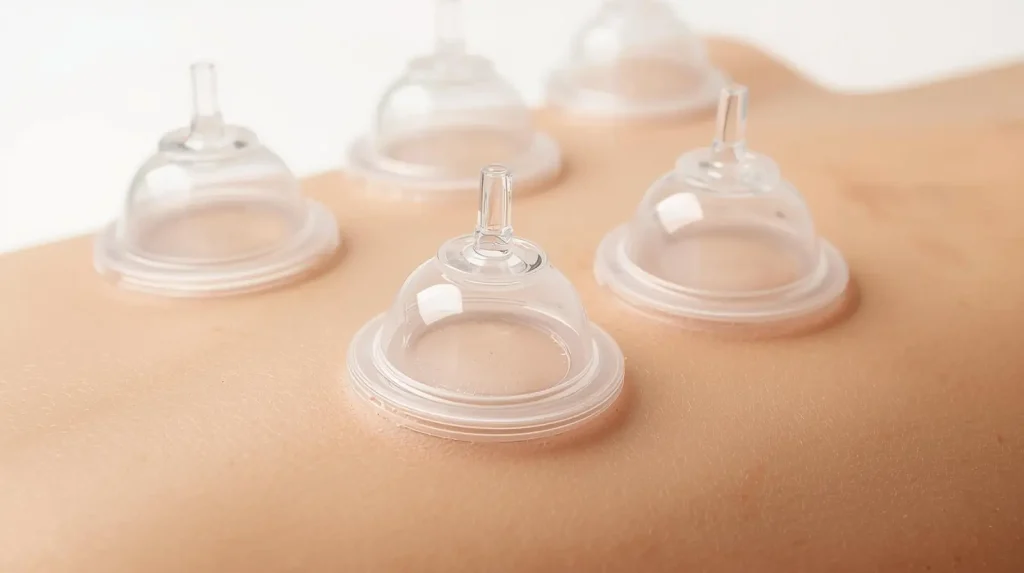
Hijama therapy involves creating suction on specific areas of the skin using cups. This process helps stimulate blood circulation, remove stagnant toxins and support the body’s natural healing mechanisms. There are two main types:
- Dry cupping which creates suction without any incisions.
- Wet cupping which involves light, superficial incisions to draw out stagnant blood and toxins.
Both methods have been practiced for centuries across Middle Eastern, Asian and African cultures. Today, they are widely used for relief from pain, inflammation, stress, migraine, fatigue, digestive issues and muscular stiffness.
Is Hijama Therapy Safe?
The direct and simple answer is yes. Hijama therapy is safe when performed by trained, certified and experienced practitioners. Like any therapeutic treatment, safety depends on proper technique, hygiene, equipment quality and client assessment.
When carried out under professional care, most people experience significant benefits with minimal and temporary side effects such as mild redness or slight soreness that fades naturally.
Common Myths About Hijama Therapy
Myth 1: Hijama Therapy Is Painful
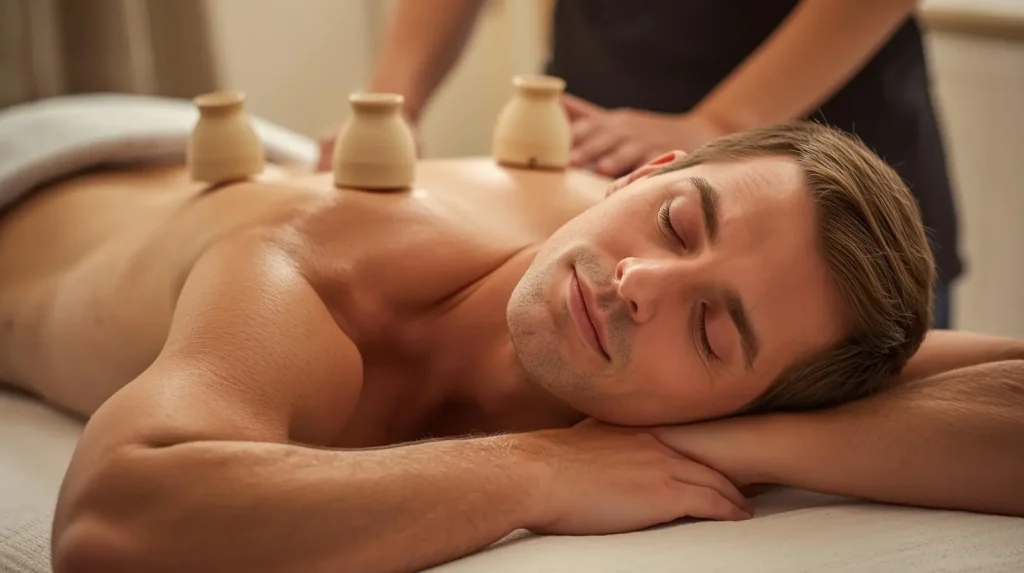
Many assume Hijama is painful because it involves suction and incisions. In reality, most clients describe the sensation as mild pressure or warmth.
The fact
The incisions used in wet cupping are very superficial. Discomfort is usually minimal and lasts only a few seconds. Most clients feel relaxed throughout the session and report feeling lighter afterward.
Myth 2: Hijama Is Unhygienic
Some people worry about the procedure being unclean or involving exposed blood.
The fact
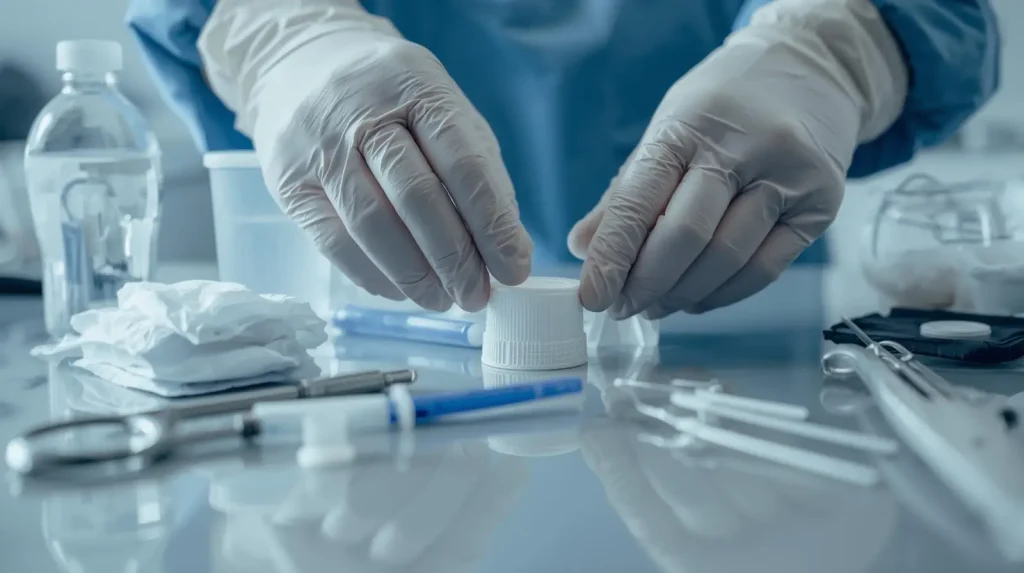
Certified practitioners follow strict hygiene protocols including sterilized equipment, disposable blades and medical-grade disinfectants. When performed professionally, Hijama therapy is exceptionally hygienic and safe.
Myth 3: Cupping Leaves Permanent Scars
Suction marks can look dramatic, especially in pictures shared online, which leads to fear of permanent skin damage.
The fact
Marks from cupping are temporary. They fade within a few days to two weeks depending on skin type and circulation. Hijama does not cause permanent scars when done correctly.
Myth 4: Hijama Is Not Scientifically Supported
There is a misconception that Hijama is a purely traditional practice without modern scientific validation.
The fact
Several studies have shown that cupping therapy supports improved blood flow, reduces inflammation, eases muscular pain and supports detoxification. Many athletes and physiotherapists incorporate cupping into their wellness routines due to its proven benefits.
Myth 5: Hijama Can Be Done by Anyone at Home
Because cups are easily available online, some people think they can perform Hijama by themselves or through untrained individuals.
The fact
Hijama should never be performed by unqualified individuals. Professional practitioners understand anatomy, hygiene standards, medical conditions, skin sensitivity and proper suction techniques. Self-treatment or untrained treatment increases the risk of infection or injury.
Key Facts About the Safety of Hijama Therapy
Hijama Is a Controlled and Systematic Process
Licensed practitioners conduct a full assessment before starting the session. They ask about your health history, medications and underlying conditions. This ensures the therapy is tailored and safe for your specific needs.
Hygiene Protocols Reduce Risk
Professional clinics use:
- Disposable cups or sterilized reusable cups
- Single-use surgical blades
- Medical gloves
- Alcohol-based cleaning solutions
- Proper waste disposal techniques
These standards make Hijama as safe as routine medical procedures.
Side Effects Are Mild and Temporary
Common and harmless effects include:
- Temporary skin discoloration
- Mild soreness in the treated area
- Light fatigue for a few hours
- Slight tenderness
These effects fade quickly and often indicate improved circulation.
Hijama Is Not Suitable for Everyone
A responsible practitioner will avoid therapy for clients with:
- Severe anemia
- Bleeding disorders
- Skin infections in the cupping area
- Pregnancy in certain trimesters
- Serious heart conditions
- Immunocompromised conditions
Assessment is crucial to ensure safe treatment.
Who Can Benefit from Safe Hijama Therapy?
Hijama therapy is commonly chosen for relief from:
- Chronic back pain
- Headaches and migraines
- Anxiety and stress
- Muscular stiffness
- Sports injuries
- Digestive discomfort
- Hormonal imbalance
- Fatigue and low energy
- Arthritis symptoms
Cupping enhances circulation, reduces inflammation and promotes overall wellness, which is why many consider it part of their regular health routine.
How to Ensure Hijama Therapy Is Safe for You
Choose a Certified Practitioner
Safety begins with choosing the right professional. A certified practitioner is trained in anatomy, sterile techniques and treatment protocols. Always ask about qualifications and experience.
Verify Hygiene Standards
Before your session, observe:
- Clean treatment area
- Proper use of gloves
- Disposable tools
- Sterilized equipment
- Proper aftercare guidance
A hygienic environment significantly reduces risk.
Follow Pre-Session Guidelines
Before your appointment:
- Stay hydrated
- Avoid heavy meals
- Wear comfortable clothing
- Share your medical history honestly
Preparing properly helps maximize safety and results.
Follow Aftercare Instructions Carefully
Post-session care is simple but important:
- Avoid cold exposure for 24 hours
- Refrain from heavy workouts
- Avoid tight clothing
- Keep the treated area clean
- Stay hydrated
These steps speed up healing and enhance therapeutic benefits.
Why Hijama Therapy Is Gaining Global Trust
Hijama is becoming a globally recognized wellness therapy due to its non-invasive nature and natural healing approach. Many people prefer it over medications because it focuses on root causes instead of temporary relief.

Key reasons for its growing trust include:
- Minimal side effects
- Natural detoxification benefits
- Enhanced blood circulation
- Immune system support
- Stress reduction
- Holistic healing approach
Celebrities, athletes and professionals use cupping to maintain peak performance and overall well-being.
Why People Trust Yashf.com for Hijama Therapy
When choosing where to receive Hijama therapy, experience and trust matter most. At yashf.com, clients rely on us for safe, professional and effective treatment tailored to individual needs. We focus on both traditional wisdom and scientifically supported practices to deliver high-quality cupping therapy.

What Makes Yashf.com a Trusted Choice
- Certified practitioners with extensive training in professional Hijama cupping therapy
- Hygienic environment with medical-grade equipment and strict sterilization protocols
- Customized treatment plans designed according to each client’s health conditions
- Dedicated support before, during and after the procedure
- Holistic approach addressing both physical and emotional well-being
- Specialized therapy for different diseases and chronic conditions
Our clients appreciate our transparency, care and commitment to delivering safe therapeutic experiences.
Conclusion and Call to Action
Hijama therapy is safe, effective and beneficial when performed by qualified professionals. Most myths surrounding it come from misinformation or unregulated home practices. The facts confirm that with proper hygiene, certified practitioners and appropriate assessment, Hijama offers powerful wellness advantages with minimal risk.
If you are considering Hijama therapy for pain relief, detoxification or holistic healing, now is the best time to explore its benefits. Always choose a trusted and trained practitioner to ensure your safety and comfort.
Ready to experience safe and professional Hijama therapy?
Visit yashf.com today and take the first step toward natural healing and improved well-being.