
Hijama therapy, also known as cupping therapy, has grown in global popularity as more people seek holistic approaches to pain relief, detoxification, and overall wellness. Whether you are new to Hijama or already experiencing its benefits, one question almost always comes up: How often should you do Hijama therapy?
The answer depends on your health goals, your body’s condition, and the type of Hijama you choose. This comprehensive guide explains recommended frequencies, benefits, safety considerations, and how to plan a treatment schedule that works for you. It is designed to help you understand your options clearly while maintaining long term wellness.
What Is Hijama Therapy and How Does It Work?
Hijama therapy is a traditional therapeutic technique that uses suction cups to stimulate the skin and underlying tissues. It increases blood circulation, removes stagnation, and supports the body’s natural healing processes.
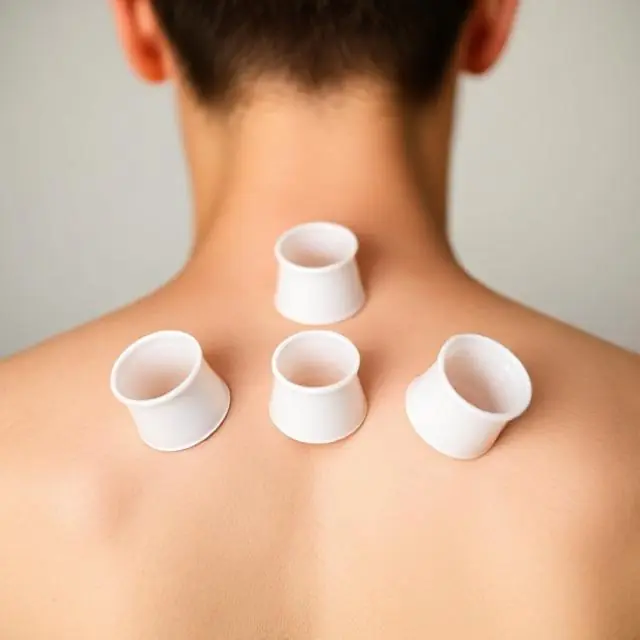
There are different forms of Hijama, including:
- Dry cupping
Suction is applied without making any incisions. - Wet cupping
Small superficial incisions are made to draw out stagnant blood and toxins. - Massage cupping
Cups are moved across the skin with oil to reduce muscle tension.
Each method offers unique benefits. Because the effects vary in intensity, the recommended frequency also differs.
How Often Should You Do Hijama Therapy?
The ideal frequency depends on your health condition, goals, and your practitioner’s recommendations. Below are general guidelines used in Hijama and holistic practice.

1. General Wellness and Prevention
If your goal is to maintain health, reduce stress, and support overall wellness, most practitioners recommend Hijama therapy at these intervals:
- Every 3 to 4 months
- Or 3 to 4 times per year
This schedule aligns with the body’s natural detox cycles and helps maintain steady physical and mental wellness.
2. Chronic Pain Conditions
Conditions such as:
- Back pain
- Shoulder and neck tension
- Joint pain
- Muscle stiffness
- Postural problems

These often require more frequent sessions, especially at the beginning.
Recommended frequency:
- Once every 2 to 4 weeks during the initial phase
- Then gradually reduce to every 6 to 8 weeks
Consistency is important because pain-related conditions often involve deep tissue tension, limited circulation, and inflammation.
3. Stress, Anxiety, and Sleep Issues
Hijama helps regulate the nervous system and stimulate better hormonal balance.
Recommended frequency:
- Every 4 to 6 weeks for moderate symptoms
- Every 2 to 4 weeks during high-stress periods
With regular sessions, many people report improved sleep, reduced anxiety, and better emotional balance.
4. Detoxification and Immune Support
For people looking to cleanse the body and strengthen immunity, Hijama can be scheduled based on seasonal cycles.
Recommended frequency:
- Every 3 months
- Or at the start of each new season
This supports natural detoxification and boosts energy.
5. Severe or Long-Term Health Issues
People with more serious conditions sometimes require a more focused treatment plan.
These may include:
- Migraines
- Fibromyalgia
- Arthritis
- Digestive disorders
- Hormonal imbalance
- Liver stagnation
Recommended frequency:
- Weekly or biweekly for the first month
- Every 4 weeks afterward
- Followed by a maintenance schedule every 2 to 3 months
It is important to work with a qualified practitioner to ensure safe treatment spacing.
Factors That Affect Your Hijama Therapy Frequency
No two people are the same. Your treatment plan must be personalized. Several factors determine how often you should schedule sessions.
1. Your Overall Health Condition
The more severe or chronic the condition, the more frequent your sessions may need to be.
2. Your Recovery Speed
Some people respond quickly, while others take more time to show improvement.
Signs you may need more frequent sessions include:
- Slow healing
- Persistent tension
- Continuous fatigue
- Recurrent pain
3. Your Lifestyle
People with highly stressful jobs, low physical activity, or heavy toxin exposure often benefit from more frequent Hijama sessions.
4. Type of Hijama You Choose
Wet cupping requires longer recovery time compared to dry cupping. Therefore, wet cupping is usually spaced weeks or months apart, while dry cupping can be done more often.
5. Your Practitioner’s Assessment
A trained therapist evaluates your circulation, medical history, body response, and current symptoms. Always follow a personalized plan rather than a one size fits all approach.
Signs You May Need Another Hijama Session
Your body can give clear signals when it is time for your next therapy session.

You may benefit from an upcoming session if you notice:
- Increased muscle tightness
- Headaches or migraines returning
- Poor sleep quality
- Fatigue or sluggishness
- Increased stress or irritability
- Feeling heavy or bloated
- Recurrence of pain or inflammation
Listening to your body helps you schedule sessions at the right time.
Benefits of Regular Hijama Therapy
When done at the right frequency, Hijama therapy can offer long lasting health benefits.
1. Pain Relief
Cupping reduces deep tissue tension, improves circulation, and decreases inflammation.
2. Improved Blood Flow
Fresh oxygenated blood reaches your tissues, improving total body function.
3. Detoxification
Wet cupping removes stagnant blood and waste products that slow down healing.
4. Better Mental and Emotional Health
Hijama helps regulate stress hormones and supports relaxation.
5. Stronger Immune System
Regular therapy boosts the body’s natural defense systems.
6. Enhanced Energy Levels
Many people feel more active, lighter, and mentally clear after consistent sessions.
Are There Risks to Doing Hijama Too Often?
Yes. Too frequent sessions can strain the body. Possible risks include:
- Prolonged soreness
- Dizziness
- Fatigue
- Excessive removal of blood
- Slower healing of the skin
This is why professional guidance is essential. A trained practitioner balances your sessions to avoid overstimulation.
Recommended Hijama Frequency Chart
Here is a simple guide to help you plan:
| Purpose | Frequency |
|---|---|
| General wellness | Every 3 to 4 months |
| Detox and immunity | Every 3 months |
| Chronic pain | Every 2 to 4 weeks initially, then every 6 to 8 weeks |
| Stress and sleep issues | Every 4 to 6 weeks |
| Severe health conditions | Weekly or biweekly initially, then monthly |
| Athletes or heavy exercise routines | Every 2 to 4 weeks |
Use this chart as a starting point and adjust based on your practitioner’s advice.
Why People Trust Yashf.com for Hijama Therapy
At Yashf.com, we provide professional Hijama cupping therapy for a wide range of diseases and health concerns. People trust us because we focus on personalized care and safe techniques that prioritize long term wellness. Our team includes trained practitioners who understand traditional Hijama along with modern health standards.

Clients choose us because we offer:
- A clean and hygienic environment
- Skilled and certified Hijama therapists
- Customized plans based on individual health needs
- Focus on both prevention and healing
- Supportive follow up and guidance
- Evidence based practices blended with traditional methods
Whether you seek relief from chronic pain or want to support your overall wellness, Yashf.com ensures a safe and effective Hijama experience tailored to your body’s needs.
Conclusion and Call to Action
Hijama therapy is a powerful healing practice that can help with pain relief, detoxification, stress reduction, and balanced wellness. The right frequency of sessions depends on your health condition, goals, and how your body responds. For most people, a consistent schedule every few months is ideal, while individuals with chronic or severe conditions may need more frequent sessions initially.
If you want professional guidance and safe treatment, visit Yashf.com to learn more or book your session. Start experiencing the physical and mental benefits of regular Hijama therapy and move toward better health today.