
Hajima Therapy has gained international attention in recent years as a modern holistic method that blends emotional awareness, behavioral insight, and body based healing practices. Although it is considered a contemporary wellness approach, its foundations trace back to cultural traditions, psychological principles, and therapeutic philosophies that developed over many decades. Understanding the history and origins of Hajima Therapy helps clarify why it has become a popular tool for stress reduction, emotional resilience, and personal transformation.
This article explores how Hajima Therapy emerged, what influences shaped its creation, and why it continues to evolve. The goal is to give a clear historical overview while providing an SEO friendly and accessible explanation for readers seeking credible information on the subject.
What Is Hajima Therapy
Before diving into its origins, it is helpful to define the core idea behind Hajima Therapy. The term hajima is a Korean expression that means do not or stop, but the therapeutic interpretation expands far beyond the literal meaning. In the wellness world, Hajima Therapy refers to a structured approach that helps individuals pause unhelpful patterns, interrupt negative self talk, and build healthier emotional habits. Practitioners emphasize mindful redirection, intentional boundary setting, and a supportive healing environment.
As the therapy developed, the word hajima evolved into a symbolic reminder to stop harmful cycles and make space for new emotional frameworks. This philosophy eventually shaped the method into a recognized therapeutic practice.
Early Cultural Influences Behind Hajima Therapy
Roots in Korean Emotional Culture
The cultural origins of Hajima Therapy can be traced to Korean social traditions that emphasize emotional regulation, interpersonal harmony, and respectful communication. Korea has long valued the idea that pausing before reacting creates inner stability. This cultural emphasis on reflection and self discipline contributed to the broader ideas that eventually inspired Hajima Therapy.
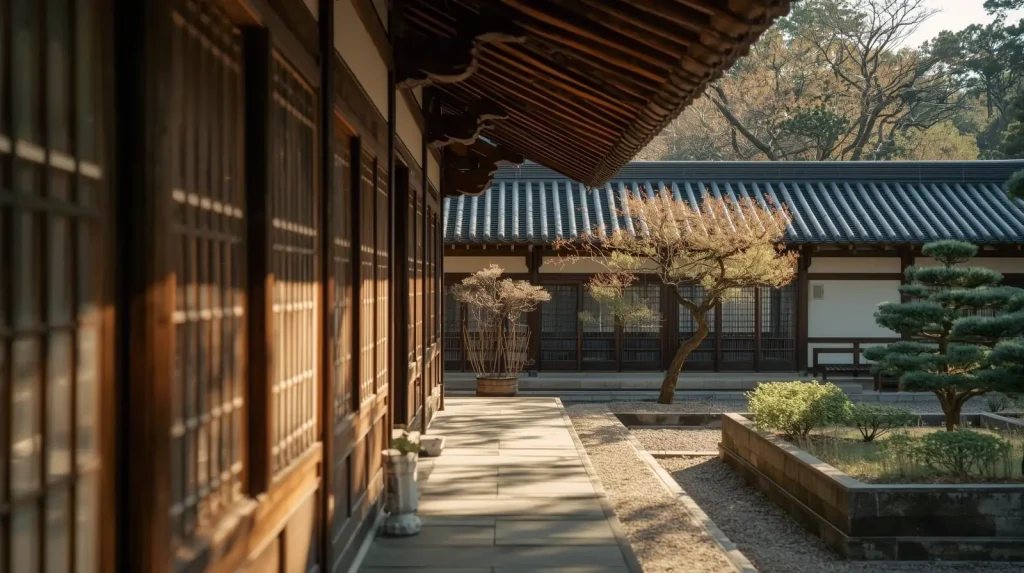
Traditional Korean wellness practices also shaped its foundations. Historically, Koreans combined physical health routines with emotional and spiritual balance. These included:
- Breathwork techniques used in martial arts and meditation
- Community based counseling rooted in family structure
- Practices that encourage calmness and grounded responses
These cultural habits helped establish the mindset that emotional interruption and mindful redirection can support better decision making.
Influence of East Asian Mind Body Approaches
Beyond Korea, Hajima Therapy reflects concepts seen in East Asian healing traditions. These include the belief that psychological tension and physical discomfort are interlinked. Approaches such as mindfulness meditation, Tai Chi, Qigong, and Japanese Morita Therapy all focus on awareness, acceptance, and gentle redirection rather than forceful suppression of feelings.

These traditions supported the idea that healing begins when individuals observe their habits and choose intentional responses. They also emphasized nonjudgmental awareness, a cornerstone of Hajima Therapy.
Modern Psychological Influences on Hajima Therapy
Although cultural roots set the stage for its development, Hajima Therapy gained traction as a structured therapeutic method when modern psychology began shaping its techniques.
Cognitive and Behavioral Psychology
Cognitive Behavioral Therapy played a major role in shaping the early principles of Hajima Therapy. CBT focuses on identifying thought patterns, challenging distorted beliefs, and replacing negative cycles with healthier options. The hajima principle aligns with this process by encouraging individuals to stop a negative pattern before it escalates.

Key parallels with CBT include:
- Recognizing recurring cognitive distortions
- Interrupting automatic negative thoughts
- Practicing replacement behaviors
- Building emotional awareness through structured exercises
These shared concepts helped create a bridge between cultural practices and evidence based mental health strategies.
Mindfulness Based Approaches
Mindfulness Based Stress Reduction and other mindfulness programs influenced the therapeutic direction of Hajima Therapy. The concept of pausing unwanted thoughts aligns strongly with mindfulness. Instead of reacting automatically, individuals learn to observe their internal experience with curiosity and patience.
As mindfulness gained global recognition in the late 20th century, practitioners began integrating hajima inspired methods into mindfulness frameworks. This fusion strengthened its identity as a modern therapeutic approach.
Humanistic and Compassion Focused Therapy
Humanistic psychologists such as Carl Rogers promoted ideas of self acceptance, emotional authenticity, and personal growth. These values merged naturally with the goals of Hajima Therapy. The hajima principle encourages internal compassion by helping people let go of harsh self criticism and cultivate supportive thought patterns.
Compassion Focused Therapy further reinforced the importance of kindness toward oneself when confronting negative emotions. This contributed to the emotional healing dimension of Hajima Therapy.
The Emergence of Hajima Therapy as a Formal Practice
Formation of a Structured Method
Hajima Therapy did not emerge as a formal practice until practitioners began combining cultural insights with psychological research. By the early 2000s, wellness specialists and counselors in Korea and other parts of Asia started developing programs that taught clients how to interrupt unhealthy habits, regulate emotions, and build personal resilience.

These programs were often presented as workshops, coaching sessions, or integrated counseling formats. The term Hajima Therapy became a recognized label as more practitioners adopted the structured approach.
Global Expansion and Adaptation
As interest in holistic wellness grew globally, the principles of Hajima Therapy attracted attention from mental health professionals in North America, Europe, and parts of Southeast Asia. Practitioners adapted the method to suit diverse cultural landscapes while retaining its foundational concepts:
- Pausing harmful emotional patterns
- Nurturing mindful awareness
- Reinforcing adaptive behaviors
- Encouraging compassionate self regulation
The flexibility of the therapy contributed to its international growth.
Core Historical Principles That Define Hajima Therapy
The Power of the Pause
The idea of the therapeutic pause is central to Hajima Therapy. Historically, Korean emotional culture emphasized the importance of restraint before action. When integrated into psychology, this principle transformed into a strategic intervention that allows clients to reduce impulsivity and increase clarity.
Habit Interruption and Reconditioning
Another foundational principle is the interruption of deeply ingrained emotional habits. Early developers of Hajima Therapy recognized that many people repeat harmful cycles without realizing it. Challenging these patterns became a core technique.
This aligns with cognitive behavioral principles and habit formation research that began influencing therapeutic practice in the mid 20th century.
Community and Connection
Traditional Korean communities valued collective support. This cultural emphasis influenced Hajima Therapy by encouraging clients to build supportive relationships. The development of group based programs further reinforced this historical element.
How Hajima Therapy Evolved Into Its Current Form
Over time, practitioners refined the technique into a cohesive system that blends emotional awareness, behavioral tools, and mind body practices. The evolution can be summarized in three phases:
- Cultural origin phase
Focused on traditional Korean values and emotional balance. - Psychological integration phase
Combined cultural insights with CBT, mindfulness, and humanistic therapy. - Modern adaptation phase
Developed structured programs for stress relief, personal development, and emotional regulation.
This progression allowed Hajima Therapy to become a versatile resource for mental wellness.

Why the History of Hajima Therapy Matters Today
Understanding its history provides several benefits:
- It clarifies how the therapy connects to both cultural wisdom and modern psychology.
- It helps practitioners apply the method with cultural sensitivity.
- It builds credibility for clients seeking evidence based approaches.
- It highlights the universal value of emotional awareness and healthy interruption patterns.
Most importantly, the history reveals that Hajima Therapy is grounded in principles that have helped people for generations.
Why Choose Yashf.com
People trust Yashf.com because we provide professional and safe Hijama therapy designed to help individuals heal naturally and effectively. Our team consists of certified practitioners who follow strict hygiene and safety standards to ensure a comfortable and secure treatment experience. Every session is tailored to meet the unique health needs of each client, whether they are seeking relief from pain, stress, migraines, or chronic disease. We focus on long-term wellness rather than temporary relief, offering a calm environment and complete privacy. With a reputation for genuine care, positive results, and affordability, Yashf.com has become a trusted choice for those seeking quality Hijama therapy.
Conclusion and Call to Action
Hajima Therapy offers a unique blend of cultural insight and psychological science. Its origins in Korean emotional culture, combined with influences from mindfulness, cognitive behavioral principles, and compassion based therapy, give it a rich and meaningful foundation. Today it serves as a practical method for stopping negative cycles, managing stress, and encouraging emotional well being.
If you want to explore Hajima Therapy further or learn how to apply its principles in everyday life, consider working with a trained practitioner or reading more about its techniques. By understanding its history and applying its methods, you can build healthier patterns and create lasting personal change.