
Depression affects millions of people worldwide and continues to grow as one of the most common mental health challenges of our time. While conventional treatments such as psychotherapy and medication remain important, many individuals seek additional holistic practices that support emotional well-being, stress relief, and physical balance. Hajima Therapy, often linked with the principles of traditional Hijama Cupping Therapy, has emerged as one of the increasingly recognized complementary approaches for supporting individuals experiencing depressive symptoms.
Hajima Therapy focuses on removing stagnation within the body, promoting circulation, and encouraging a natural state of energetic balance. When practiced under trained professionals, this therapy can support relaxation and may contribute to improved mental clarity. In this detailed guide, you will explore how Hajima Therapy works, why it is gaining popularity for mental health support, and how it may complement a broader plan for dealing with depression.
Understanding Hajima Therapy and Its Traditional Roots
Hajima Therapy is rooted in ancient cupping therapy practices that have been used for centuries in various cultures. It involves the application of cups to specific areas of the body to create suction. This suction helps promote blood flow, reduce stagnation, and encourage the natural release of toxins.
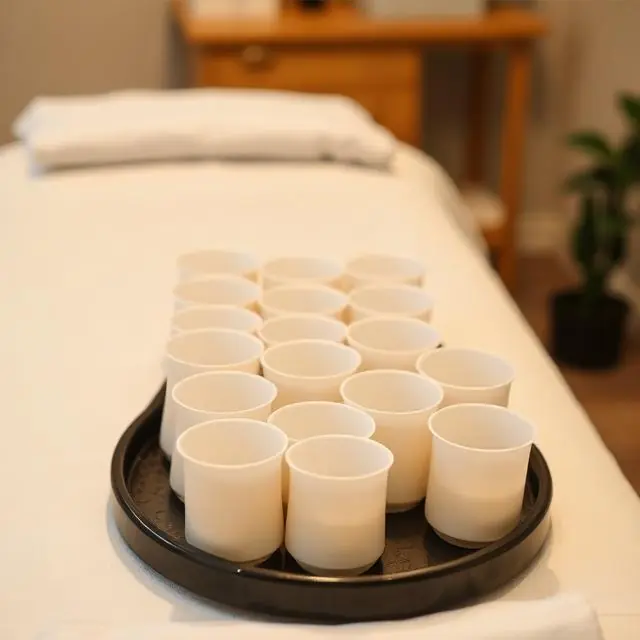
Although originally practiced for physical conditions such as pain, inflammation, and fatigue, Hajima Therapy is now recognized for its therapeutic benefits that extend to emotional and mental well-being.
How Hajima Therapy Works
Hajima Therapy operates on several core principles:
- Improving circulation and oxygen flow
- Supporting the nervous system
- Restoring energy balance within the body
- Reducing muscle tension caused by chronic stress
- Encouraging relaxation and grounding
The combination of physical relief and improved energy flow often leads individuals to report a greater sense of clarity, calmness, and emotional balance after sessions.
Why Hajima Therapy Is Considered Supportive for Depression
While Hajima Therapy is not a cure for depression, it may provide helpful support alongside professional mental health care. Many people with depressive symptoms struggle with fatigue, low motivation, mental fog, chronic stress, and tension within the body. Hajima Therapy targets these areas through relaxing and restorative techniques.

Key Benefits of Hajima Therapy for Depression Support
Supports Physical Relaxation
Depression often brings physical symptoms such as muscle tightness, headaches, and body aches. The suction applied during Hajima Therapy helps reduce tension and promotes muscular relaxation. This can help individuals feel lighter and more at ease.
Helps Reduce Stress Levels
Chronic stress is a major contributor to depressive symptoms. Hajima Therapy encourages the body to shift toward a more relaxed state by engaging the parasympathetic nervous system. This naturally reduces cortisol levels and allows the mind to settle.
Improves Circulation and Energy Flow
Poor circulation can contribute to feelings of lethargy and heaviness. By improving blood flow, Hajima Therapy may increase energy levels, which can be beneficial for those experiencing low motivation or persistent fatigue.
Encourages Mind Body Connection
Many individuals with depression feel disconnected from their body. Hajima Therapy creates an environment that encourages grounding and mindfulness. The quiet, calming nature of the session helps individuals reconnect with their body in a gentle and supportive way.
Complements Holistic Mental Health Practices
People often combine Hajima Therapy with other wellness approaches such as meditation, breathwork, affirmations, and lifestyle changes. Together, these create a synergistic effect that helps support emotional stability.
The Science Behind Cupping and Mental Health
Although research on Hajima Therapy specifically for depression is still growing, studies on cupping therapy in general have shown promising insights. The physical reaction triggered by cupping promotes improved blood circulation, encourages lymphatic drainage, and triggers the body’s natural healing responses. These physiological changes can influence mood by reducing pain, increasing relaxation, and improving sleep quality.

Several proposed scientific mechanisms include:
- Stimulation of the autonomic nervous system
- Reduction in inflammatory markers
- Release of muscle adhesions
- Improved detoxification
- Enhanced production of endorphins
Endorphins are natural mood boosters and play an important role in emotional well-being. When the body experiences a therapeutic response, the mind often follows.
What to Expect During a Hajima Therapy Session
Understanding what happens during a Hajima Therapy session helps ease anxiety and allows individuals to fully benefit from the treatment. While each practitioner may use slightly different techniques, most sessions follow a structured process.
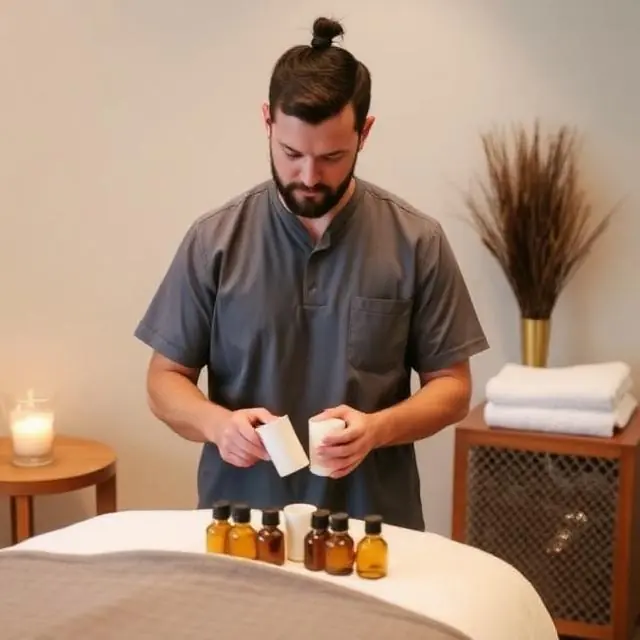
Step by Step Experience
- Initial Consultation
The therapist conducts a health assessment to understand your symptoms, concerns, and goals. This helps customize the session to your needs. - Preparation and Relaxation
You will be asked to lie down comfortably. The therapist may use warm oils or gentle massage strokes to prepare the skin. - Application of Cups
Specialized cups are placed on targeted areas of the body, usually the back, shoulders, or neck. A vacuum suction is created to draw the skin upward. - Therapeutic Rest Period
You will remain in a relaxing environment for several minutes as the cups work to improve circulation and relieve tension. - Cup Removal and Aftercare Guidance
The therapist removes the cups and provides personalized aftercare instructions. You may feel warm, relaxed, and lighter after the session.
How Many Sessions Are Recommended
The number of sessions varies based on individual needs. Some people notice benefits after a single session, while others prefer regular treatments every two to four weeks for ongoing emotional support.
Is Hajima Therapy Safe for Everyone?
Hajima Therapy is generally considered safe when performed by trained professionals. However, certain individuals should consult a healthcare provider before starting any form of cupping therapy.
Individuals who should seek medical advice first
- Those with bleeding disorders
- Pregnant individuals
- People taking blood thinners
- Individuals with skin infections or open wounds
- Those with chronic medical conditions
For most people, minor temporary marks may appear after cupping. These typically fade within a few days and are not painful.
How Hajima Therapy Supports a Holistic Depression Management Plan
Depression is a complex condition influenced by emotional, psychological, biological, and social factors. No single therapy can replace evidence based treatment. However, Hajima Therapy can be part of a broader plan that includes:
- Cognitive behavioral therapy
- Medication prescribed by a licensed professional
- Mindfulness practices
- Regular physical activity
- Improved sleep routines
- Social support
- Stress management techniques
Hajima Therapy adds another layer of care by supporting the physical and energetic aspects of healing.
Why Choose Yashf.com for Hajima and Hijama Cupping Therapy
Finding a trustworthy and professional provider is essential for achieving the best results from Hajima Therapy. At yashf.com, individuals receive high quality care from trained practitioners who specialize in Hijama Cupping Therapy for a wide range of health concerns.

Reasons people trust yashf.com
- Experienced practitioners
The team consists of certified professionals trained in traditional and modern techniques of cupping therapy. - Holistic consultation approach
Each session begins with a detailed assessment to ensure the treatment aligns with your physical and emotional needs. - Clean and safe environment
All tools and equipment are sterilized to maintain the highest standards of hygiene. - Personalized care plans
Your therapy sessions are customized based on your symptoms, goals, and comfort level. - Support for various conditions
Yashf.com provides Hijama Cupping Therapy for multiple concerns including stress, fatigue, pain, digestive issues, hormonal imbalance, and mental health support.
Choosing a reliable provider ensures you receive safe, effective, and compassionate care throughout your healing journey.
Conclusion and Call to Action
Hajima Therapy offers a powerful and supportive approach for individuals seeking relief from depression related symptoms. By improving circulation, reducing stress, and promoting deep relaxation, it helps restore balance in both the mind and body. Although not a replacement for medical treatment, it can be a valuable addition to a comprehensive mental health plan.
If you are looking for professional Hajima or Hijama Cupping Therapy, consider choosing a trusted provider like yashf.com to guide you through a safe and transformative experience. Take the first step toward emotional healing and explore how holistic therapy can support your journey to better mental well-being.