
Diabetes is one of the most common chronic health conditions worldwide, affecting millions of people across different age groups. Managing diabetes requires a consistent and holistic approach that includes medical treatment, lifestyle changes, and supportive therapies. Alongside conventional diabetes care, many people are exploring complementary therapies to support overall health and improve quality of life. One such therapy gaining attention is Hajima Therapy, also known as Hijama Cupping Therapy.
Hajima Therapy is an ancient healing practice rooted in traditional medicine and widely used in various cultures. Today, it is increasingly being explored as a supportive approach for people living with diabetes. While it is not a cure for diabetes, Hajima Therapy may help support better circulation, metabolic balance, and general well-being when combined with proper medical care.
In this detailed guide, we will explore how Hajima Therapy for diabetes management support works, its potential benefits, safety considerations, and why many people choose trusted providers like yashf.com for Hijama Cupping Therapy.
Understanding Diabetes and the Need for Supportive Therapies

What is Diabetes?
Diabetes is a metabolic disorder characterized by high blood sugar levels due to problems with insulin production, insulin action, or both. The main types include:
- Type 1 diabetes, where the body produces little or no insulin
- Type 2 diabetes, where the body becomes resistant to insulin or does not produce enough
- Gestational diabetes, which occurs during pregnancy
Uncontrolled diabetes can lead to complications affecting the heart, kidneys, nerves, eyes, and blood vessels. This is why long-term management is essential.
Why Consider Complementary Therapies?
Conventional diabetes treatment focuses on medication, insulin therapy, diet, and exercise. Complementary therapies like Hajima Therapy are not meant to replace medical treatment. Instead, they aim to support the body naturally by promoting circulation, reducing stress, and improving overall balance.
Many people with diabetes look for supportive therapies to help with:
- Fatigue and low energy levels
- Poor blood circulation
- Stress and inflammation
- General metabolic health
What is Hajima Therapy?
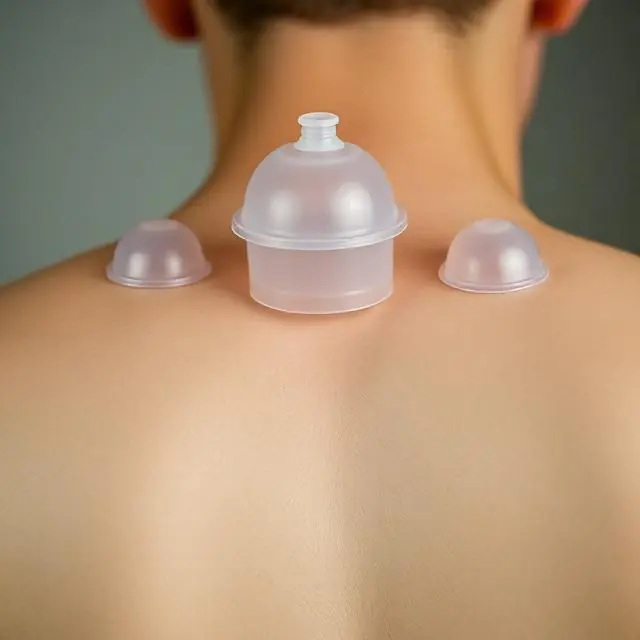
The Basics of Hajima Cupping Therapy
Hajima Therapy, also commonly referred to as Hijama Therapy, is a traditional cupping method that involves placing cups on specific points of the body to create suction. In wet cupping, small superficial incisions are made to draw out a small amount of blood, while dry cupping uses suction only.
This therapy has been practiced for centuries in traditional medicine systems and is still widely used today for various health concerns.
How Hajima Therapy Works
Hajima Therapy is believed to work by:
- Improving blood circulation in targeted areas
- Supporting detoxification by removing stagnant blood
- Stimulating the immune system
- Encouraging relaxation and stress relief
For people with diabetes, these effects may offer supportive benefits when integrated responsibly into a comprehensive care plan.
Hajima Therapy for Diabetes Management Support

Potential Benefits of Hajima Therapy for Diabetic Individuals
While scientific research is still evolving, many practitioners and individuals report positive experiences when Hajima Therapy is used as supportive care for diabetes management.
Some potential benefits include:
- Enhanced blood circulation, which is important for people with diabetes
- Support for metabolic balance and energy levels
- Reduced muscle tension and body discomfort
- Stress reduction, which can help with blood sugar control
- Improved overall sense of well-being
It is important to note that results vary from person to person, and therapy should always be guided by a qualified practitioner.
Role of Blood Circulation in Diabetes Support
Poor circulation is a common concern among people with diabetes, especially in the legs and feet. Hajima Therapy may help stimulate blood flow to targeted areas, supporting tissue health and comfort.
Better circulation may contribute to:
- Reduced heaviness or numbness in limbs
- Improved oxygen and nutrient delivery
- Enhanced healing capacity when combined with proper medical care
Stress Reduction and Blood Sugar Balance
Stress can negatively impact blood sugar levels by triggering hormonal responses in the body. Hajima Therapy sessions are often described as calming and relaxing.
Stress reduction may support diabetes management by:
- Helping regulate cortisol levels
- Encouraging better sleep quality
- Supporting emotional well-being
Safety Considerations for Hajima Therapy in Diabetes

Who Should Be Cautious?
People with diabetes should approach Hajima Therapy with care and professional guidance. It is especially important to consult a healthcare provider if you have:
- Poor wound healing
- Advanced diabetic neuropathy
- Severe circulatory issues
- A history of infections or bleeding disorders
Importance of Professional Practice
Hajima Therapy should always be performed by trained and experienced practitioners who understand the needs of diabetic clients. Proper hygiene, sterilization, and technique are essential to minimize risks.
Key safety practices include:
- Using sterile, single-use equipment
- Assessing blood sugar stability before sessions
- Avoiding sensitive or compromised areas
- Monitoring recovery after therapy
Integrating Hajima Therapy with Conventional Diabetes Care
Complementary, Not Alternative
Hajima Therapy should be viewed as a complementary approach rather than a replacement for medical treatment. Successful diabetes management depends on a combination of:
- Prescribed medication or insulin therapy
- Balanced nutrition
- Regular physical activity
- Ongoing medical monitoring
Hajima Therapy can be added as supportive care to enhance overall wellness under professional supervision.
Lifestyle Support for Better Outcomes
When combined with healthy lifestyle choices, Hajima Therapy may offer more noticeable benefits. These include:
- Maintaining a diabetes-friendly diet
- Staying physically active
- Managing stress through relaxation techniques
- Attending regular medical checkups
Why Choose Hijama Therapy at yashf.com

Trusted Care for Holistic Healing
At yashf.com, we provide Hijama Cupping Therapy for different diseases, including supportive care for individuals managing chronic conditions like diabetes. Our approach focuses on safety, professionalism, and personalized care.
People trust yashf.com because we prioritize both traditional wisdom and modern health standards.
What Sets yashf.com Apart
There are several reasons why individuals choose yashf.com for Hajima Therapy:
- Experienced and trained Hijama practitioners
- Strict hygiene and safety protocols
- Personalized treatment plans based on individual needs
- Supportive environment focused on comfort and trust
- Clear guidance for pre and post therapy care
We understand that people with diabetes require extra attention and careful assessment. Our practitioners are trained to work responsibly with clients who have underlying health conditions.
Commitment to Education and Transparency
At yashf.com, we believe informed clients make better decisions. We take time to explain:
- How Hijama Therapy works
- What to expect during and after sessions
- Safety guidelines specific to diabetes management
- How to integrate therapy with existing medical care
This transparent and educational approach builds confidence and long-term trust.
Common Questions About Hajima Therapy for Diabetes Support
How Often Can Diabetic Individuals Have Hajima Therapy?
The frequency of Hajima Therapy depends on individual health status, goals, and professional advice. Many people opt for sessions every few months, while others may choose seasonal sessions under guidance.
Does Hajima Therapy Lower Blood Sugar?
Hajima Therapy is not a treatment to directly lower blood sugar levels. It may support overall wellness, circulation, and stress reduction, which can indirectly support diabetes management when combined with medical care.
Is Hajima Therapy Painful?
Most people describe the sensation as mild discomfort rather than pain. The experience varies depending on individual sensitivity and the technique used.
Conclusion and Call to Action
Hajima Therapy for diabetes management support offers a holistic approach that focuses on circulation, relaxation, and overall well-being. While it is not a cure for diabetes, it can serve as a supportive therapy alongside conventional medical treatment and healthy lifestyle practices.
By understanding its potential benefits, safety considerations, and the importance of professional care, individuals with diabetes can make informed decisions about incorporating Hajima Therapy into their wellness routine.
If you are looking for trusted and professional Hijama Cupping Therapy, yashf.com provides safe, personalized, and experienced care for a wide range of health needs. Explore how Hajima Therapy can support your journey toward better balance and well-being by connecting with yashf.com today and taking the next step in holistic health support.