Recovering after surgery can feel overwhelming. Pain, stiffness, swelling, fatigue, and emotional stress often linger longer than expected. Many patients search for safe, natural ways to support healing alongside their medical care. Hajima Therapy for Post-Surgery Recovery Support is increasingly recognized as a complementary approach that helps the body restore balance, improve circulation, and promote overall recovery.
This blog explores how Hajima therapy works, why it can be beneficial after surgery, and how it fits into a holistic recovery plan. You will learn about its potential benefits, the conditions it may support, and what to expect from treatment, so you can make an informed decision about your healing journey.
Understanding Hajima Therapy for Post-Surgery Recovery Support
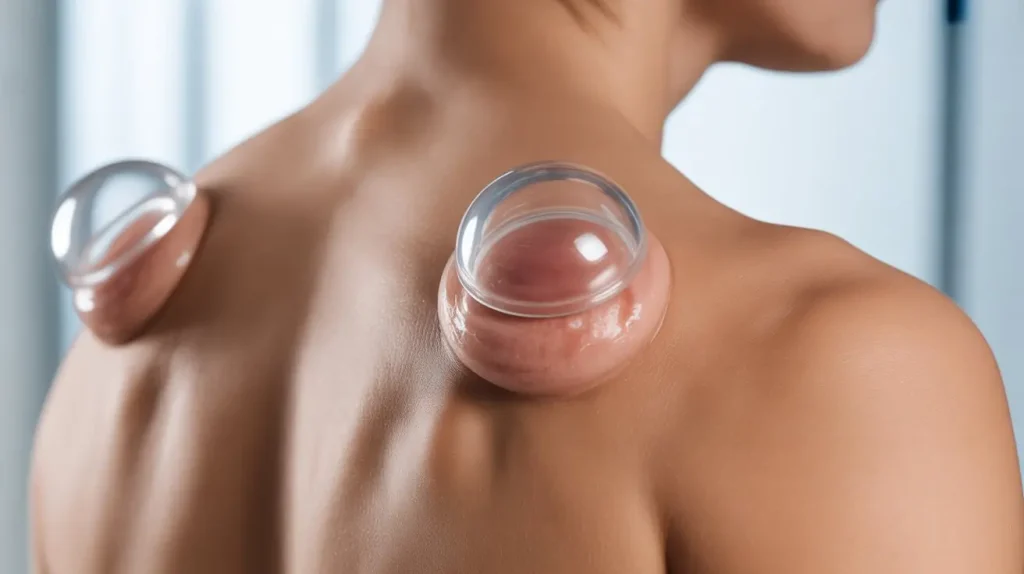
Hajima therapy, also known as cupping therapy, is a traditional healing method that has been practiced for centuries across various cultures. It involves placing specialized cups on the skin to create controlled suction. This suction stimulates blood flow, encourages detoxification, and supports the body’s natural repair processes.
When used carefully and at the appropriate stage of recovery, Hajima Therapy for Post-Surgery Recovery Support can complement conventional medical treatment. It is not a replacement for surgical aftercare, medications, or physical therapy. Instead, it works alongside them to enhance healing and comfort.
How Hajima Therapy Works in the Body
Hajima therapy creates negative pressure on the skin and underlying tissues. This pressure gently lifts the tissue, allowing fresh blood and oxygen to reach areas that may be congested or slow to heal.
Key physiological effects include:
- Improved blood circulation to targeted areas.
- Enhanced lymphatic drainage, which helps reduce swelling.
- Stimulation of the immune response.
- Relaxation of tense muscles and connective tissue.
These effects are particularly valuable during post-surgical recovery, when circulation and lymphatic flow can be compromised.
Types of Hajima Therapy Used in Recovery
Not all cupping methods are the same. A qualified practitioner selects the appropriate technique based on your surgery, healing stage, and overall health.
Common approaches include:
- Dry cupping, which uses suction only and is often preferred during early recovery.
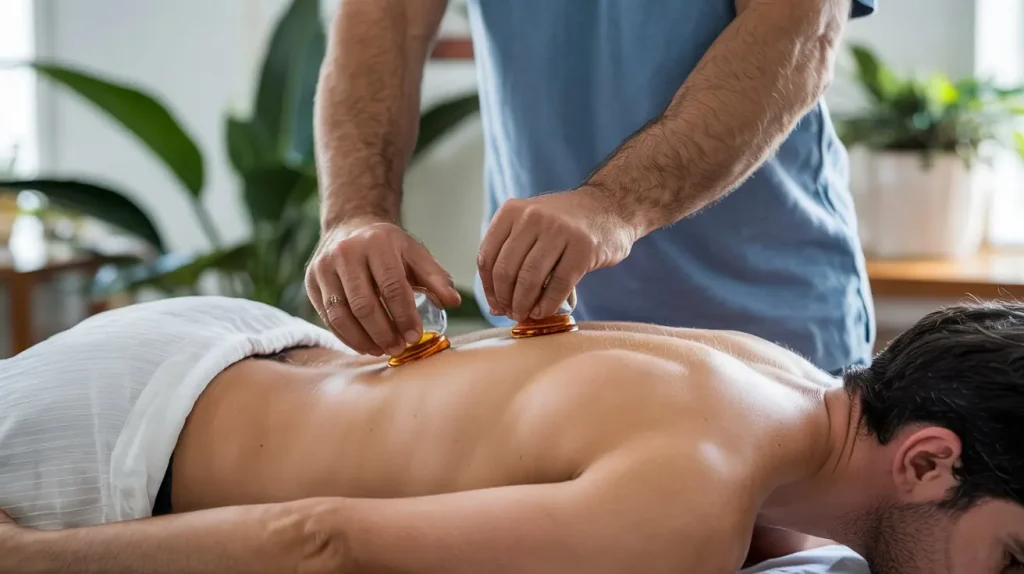
- Moving cupping, where cups are gently glided over lubricated skin to release tight tissues.
- Selective wet cupping, used only when medically appropriate and never near surgical incisions.
Professional assessment is essential to ensure safety and effectiveness.
Why Post-Surgery Recovery Can Be Challenging
Surgery places significant stress on the body. Even minimally invasive procedures trigger inflammation and tissue trauma. Recovery can be slowed by factors such as reduced mobility, scar tissue formation, and impaired circulation.

Common post-surgical challenges include:
- Persistent pain or discomfort.
- Swelling and fluid retention.
- Muscle stiffness and reduced range of motion.
- Fatigue and low energy levels.
- Emotional stress and anxiety.
Hajima Therapy for Post-Surgery Recovery Support aims to address many of these issues naturally by supporting the body’s innate healing mechanisms.
Benefits of Hajima Therapy for Post-Surgery Recovery Support
When applied correctly and at the right time, Hajima therapy offers several potential benefits for individuals recovering from surgery. These benefits vary depending on the type of surgery and the patient’s overall health.
Pain Management and Muscle Relaxation
Post-surgical pain is often caused by inflammation, muscle guarding, and restricted blood flow. Hajima therapy helps relax tight muscles and improve circulation, which may reduce discomfort.
Patients often report:
- Reduced muscle tension around the surgical area.
- Less reliance on pain medications.
- Improved comfort during movement and rest.
This can be especially helpful for orthopedic or abdominal surgeries.
Reducing Swelling and Inflammation
Swelling is a natural response to surgery, but prolonged inflammation can delay healing. Hajima therapy supports lymphatic drainage, which helps the body clear excess fluid and metabolic waste.
Potential benefits include:
- Decreased edema around affected areas.
- Faster resolution of post-operative swelling.
- Improved tissue oxygenation.
Better lymphatic flow can also reduce feelings of heaviness and stiffness.
Supporting Scar Tissue Healing
Scar tissue forms as part of the healing process, but excessive or restricted scar tissue can limit mobility and cause discomfort. Hajima therapy may help soften surrounding tissues and improve elasticity.
This can lead to:
- Better range of motion.
- Reduced pulling or tight sensations.
- Improved appearance and flexibility of healed tissue over time.
Treatment is always performed away from open wounds or fresh incisions.
Enhancing Circulation and Tissue Repair
Healthy circulation is critical for delivering nutrients and oxygen to healing tissues. Hajima therapy encourages blood flow to areas that may be stagnant after surgery.
Improved circulation supports:
- Faster tissue regeneration.
- Reduced healing time.
- Stronger immune response at the surgical site.
This benefit is valuable across many types of surgical recovery.
Supporting Emotional and Nervous System Balance
Recovery is not only physical. Surgery can affect the nervous system and emotional well-being. Hajima therapy has a calming effect that may help regulate stress responses.
Patients often experience:
- Improved relaxation and sleep quality.
- Reduced anxiety related to recovery.
- A greater sense of overall well-being.
This mind-body support plays an important role in holistic healing.
Conditions and Surgeries That May Benefit from Hajima Therapy
Hajima Therapy for Post-Surgery Recovery Support can be considered for a wide range of procedures, once medically cleared by a healthcare provider.
These may include:
- Orthopedic surgeries such as knee, hip, or shoulder procedures.
- Spinal surgeries, excluding areas near recent incisions.
- Abdominal surgeries after sufficient healing.
- Cosmetic or reconstructive surgeries.
- Sports injury-related surgical interventions.
Each case requires individualized assessment to ensure timing and technique are appropriate.
When Is the Right Time to Start Hajima Therapy After Surgery?
Timing is critical for safe and effective post-surgical cupping therapy. Hajima therapy should never be applied directly over fresh surgical wounds, stitches, or inflamed incisions.
General guidelines include:
- Waiting until the incision is fully closed and healed.
- Receiving clearance from your surgeon or primary physician.
- Starting with gentle techniques and short sessions.
A qualified practitioner will work closely with your recovery timeline and medical advice.
What to Expect During a Post-Surgery Hajima Session
Understanding the process can help you feel more confident and relaxed before your session.

A typical session includes:
- A detailed consultation about your surgery and recovery progress.
- Assessment of pain areas, mobility, and swelling.
- Gentle placement of cups in safe, approved areas.
- Monitoring your comfort throughout the session.
Sessions are tailored to your tolerance and healing stage. Mild circular marks may appear but typically fade within a few days.
Safety Considerations and Precautions
Hajima therapy is generally safe when performed by trained professionals, but it is not suitable for everyone at every stage.
Important precautions include:
- Avoiding areas with open wounds or active infections.
- Not performing therapy during early acute inflammation.
- Adjusting techniques for individuals with chronic conditions.
- Ensuring sterile, single-use equipment is used.
Open communication with your practitioner ensures the highest level of safety.
Why Choose Yashf.com for Hajima Cupping Therapy?
Choosing the right clinic is essential for safe and effective post-surgical care. At Yashf.com, Hajima therapy is delivered with professionalism, compassion, and a deep respect for holistic healing.
- Experienced and certified practitioners trained in post-surgical care considerations.
- Strict hygiene protocols using sterile, single-use equipment.
- Personalized treatment plans based on your surgery, recovery stage, and health goals.
- Holistic, patient-centered consultations that prioritize comfort and safety.
- Calm, professional clinic environment designed to support healing and relaxation.
- A strong track record of supporting patients through complex recovery journeys.

At Yashf.com, your recovery is approached with care, expertise, and integrity.
Conclusion and Call to Action
Hajima Therapy for Post-Surgery Recovery Support offers a natural, complementary approach to healing that focuses on circulation, inflammation reduction, pain relief, and overall well-being. When integrated responsibly with medical aftercare, it can play a valuable role in helping the body recover more smoothly and comfortably.
If you are navigating post-surgical recovery and seeking a holistic path to support healing, contact Yashf.com today to schedule a confidential consultation with our Hajima therapy specialists. Take the first step toward balanced, patient-focused recovery and renewed well-being.