People often search for natural ways to relieve pain, boost energy, and restore overall health. Two of the most popular wellness options today are Hajima Therapy and Traditional Massage. Although both aim to improve physical and mental well-being, they rely on different methods, techniques, and therapeutic principles. Understanding the differences helps you choose the treatment that best matches your needs.
This comprehensive guide explores Hajima Therapy vs Traditional Massage, their benefits, how they work, and what makes them suitable for specific health concerns. If you have been wondering whether to book a cupping session or a conventional massage appointment, the insights below will help you make an informed decision.
What Is Hajima Therapy
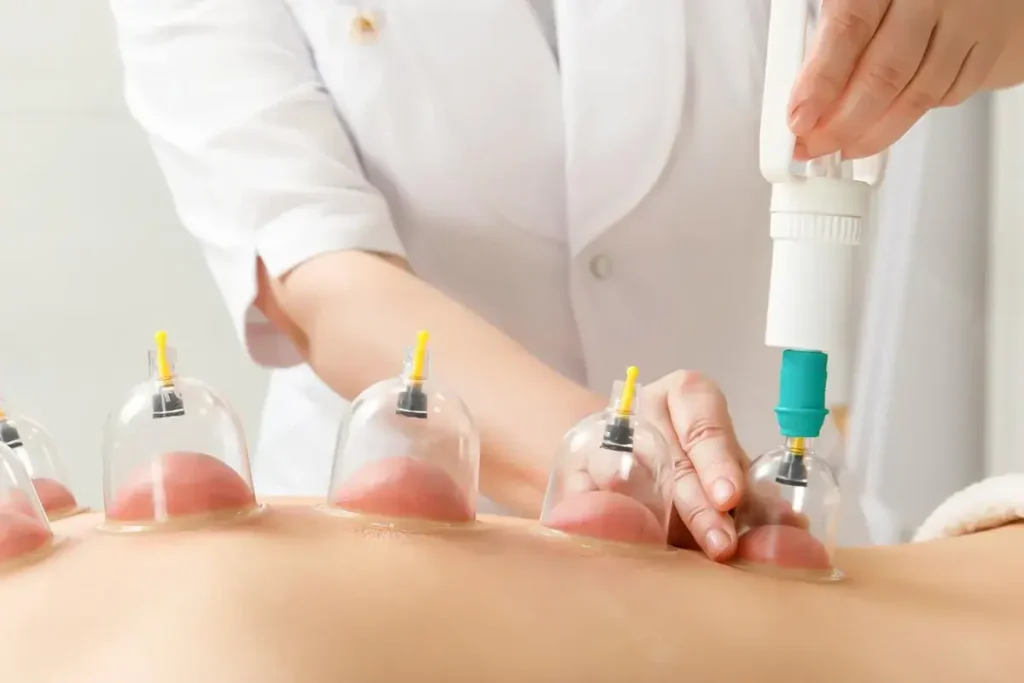
Hajima Therapy, often connected with Hijama cupping therapy, is a holistic practice rooted in traditional healing systems. It focuses on removing toxins, improving blood flow, and stimulating the body’s natural healing response. Most often, it is performed through wet or dry cupping where suction cups create a vacuum effect on the skin.
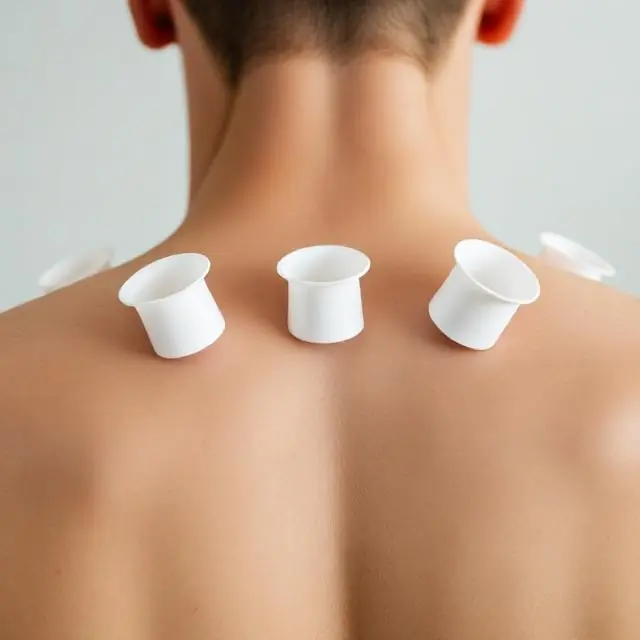
Key Techniques Used in Hajima Therapy
- Dry cupping
- Wet cupping
- Fire cupping
- Moving cupping
- Pressure-based suction therapy
These techniques target stagnation, muscle tension, and internal imbalances. The therapy is commonly recommended for chronic pain, migraines, fatigue, digestive issues, and detoxification.
What Is Traditional Massage
Traditional Massage is a widely practiced bodywork method focused on manipulating muscles and soft tissues. Massage therapists use hands, fingers, elbows, or forearms to ease muscle pain, increase relaxation, and reduce stress. It is usually performed with oils or lotions in a calm environment.
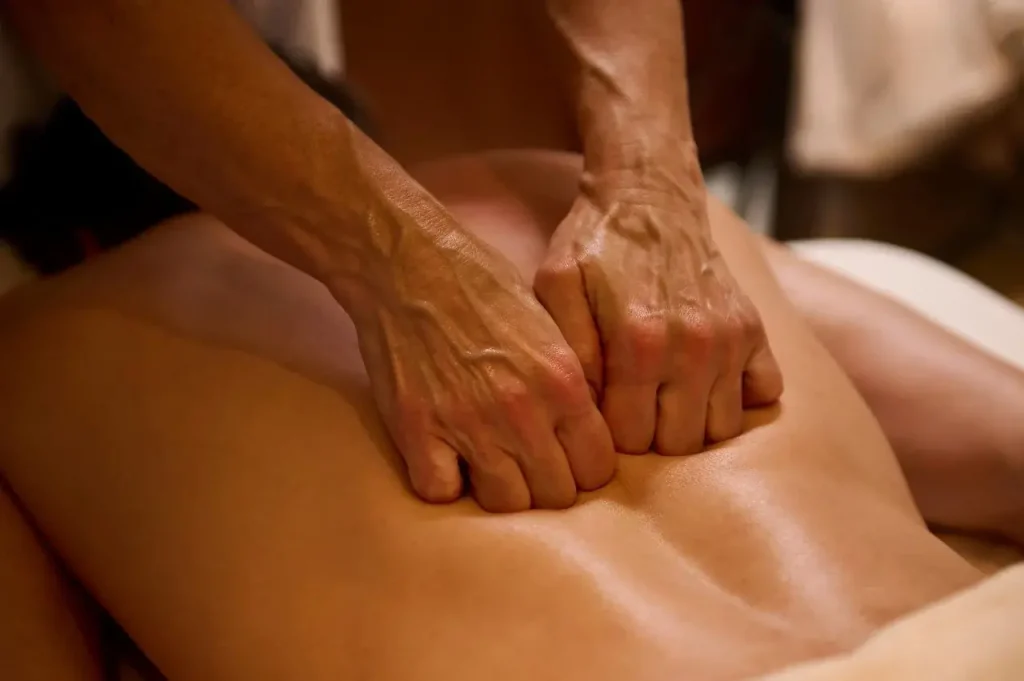
Popular Types of Traditional Massage
- Swedish massage
- Deep tissue massage
- Sports massage
- Aromatherapy massage
- Reflexology
Traditional Massage is primarily known for its calming effect on the nervous system and its ability to improve blood circulation and muscle elasticity.
Hajima Therapy vs Traditional Massage: Core Differences
Although both therapies support wellness, they differ in purpose, method, and outcomes. Below are the major distinctions.
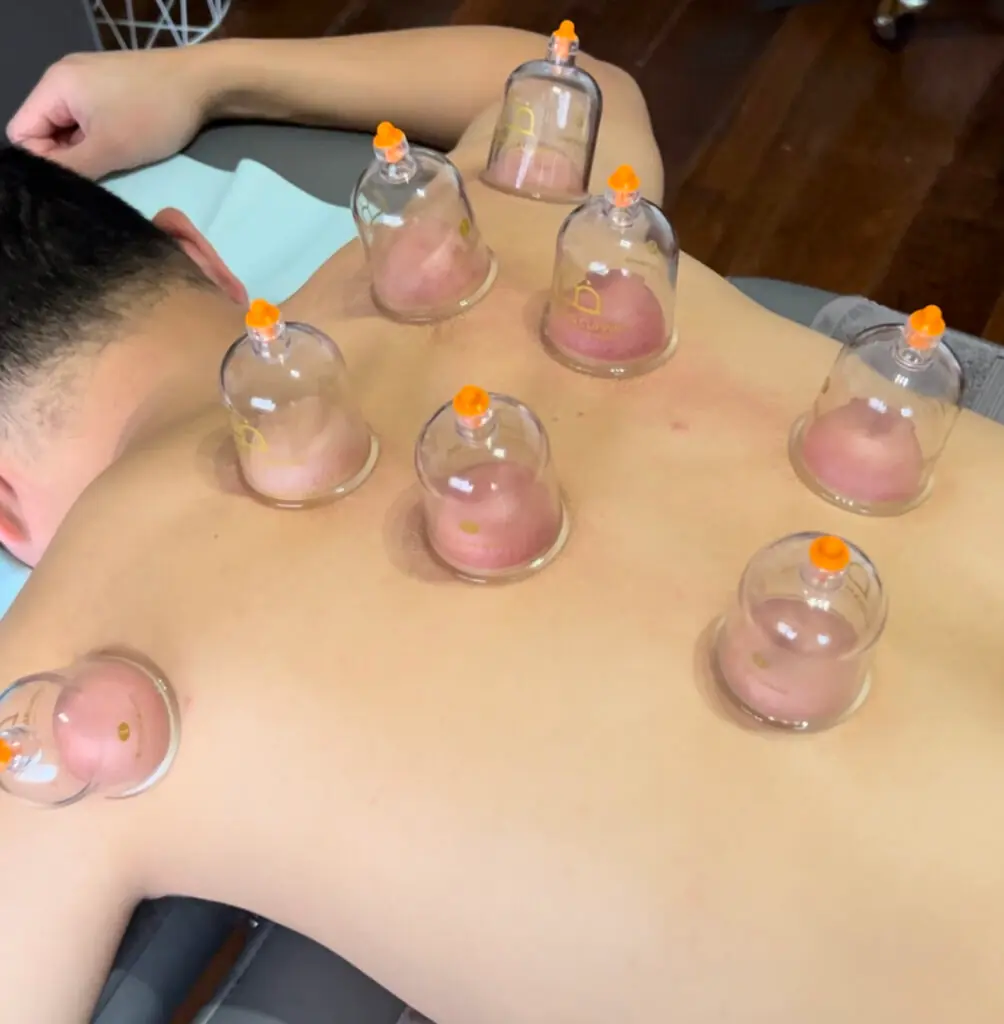
1. Technique and Application
Hajima Therapy uses suction cups to create negative pressure on the skin. This lifts underlying tissues, increases circulation, and pulls stagnant blood toward the surface. In wet cupping, small superficial incisions are made to draw out toxins.
Traditional Massage relies on manual pressure. Therapists apply varying degrees of force to knead, stretch, and relax muscles.
2. Focus and Purpose
Hajima Therapy
- Targets detoxification
- Improves qi or energy flow
- Treats chronic pain and inflammation
- Removes stagnant blood and toxins
- Enhances overall immune response
Traditional Massage
- Focuses on relaxation
- Relieves temporary muscle tension
- Reduces stress
- Supports general wellness
- Promotes better sleep
3. Conditions Treated
Hajima Therapy is popular for health issues that require deeper detoxification or long-term relief.
Common conditions treated with Hajima Therapy include
- Migraines and chronic headaches
- Back and neck pain
- Arthritis and joint pain
- Sciatica
- Insomnia
- Hormonal imbalance
- Fatigue and low energy
Traditional Massage is often preferred for
- Mild muscle soreness
- Stress-related tension
- Post-workout stiffness
- Jet lag
- Anxiety relief
4. Sensation and Experience
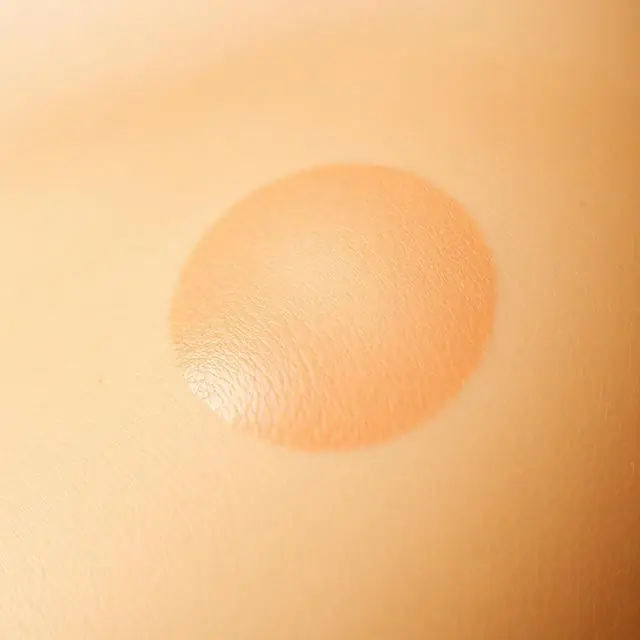
Hajima Therapy involves suction which may create circular marks on the skin. The therapy can feel intense but is usually not painful when performed by a trained practitioner. The sensation is often described as pressure followed by relief.
Traditional Massage feels smooth and rhythmic. The experience promotes deep relaxation with minimal intensity unless deep tissue techniques are used.
5. Duration of Results
Hajima Therapy often provides longer-lasting relief because it targets deeper stagnation and detoxification. Many people report improvements for weeks after a session.
Traditional Massage usually offers shorter-term benefits. Relief may last several days depending on the severity of muscle tension and lifestyle factors.
6. Safety and Suitability
Both therapies are safe when performed by skilled professionals.
Hajima Therapy may not be recommended for
- Pregnant women
- Individuals with bleeding disorders
- People taking blood-thinning medications
Traditional Massage may not be suitable for
- Open wounds
- Severe inflammation
- Acute injuries
Always consult a qualified therapist before starting any new treatment.
Benefits of Hajima Therapy
Hajima or Hijama has gained popularity due to its broad range of therapeutic benefits.
Detoxification Support
The vacuum effect removes stagnant blood and toxins, promoting a natural detox process.
Improved Circulation
Cupping increases blood flow to targeted areas which enhances oxygen supply and cellular repair.
Pain Relief
Many people experience relief from chronic muscle and joint pain.
Stress Reduction
Although cupping is more intensive than massage, it releases deep tension and supports better relaxation.
Immune System Support
By removing toxins and improving circulation, Hajima Therapy may support stronger immunity.
Benefits of Traditional Massage
Traditional Massage remains a staple in wellness centers due to its calming and restorative effects.
Muscle Relaxation
Massage loosens tight muscles and reduces stiffness.
Stress and Anxiety Relief
The calming environment and rhythmic movements promote mental relaxation.
Better Sleep and Mood
Massage can trigger the release of serotonin and endorphins which support better sleep and mood.
Improved Flexibility
Regular sessions help improve body mobility and range of motion.
Which Therapy Should You Choose
Choosing between Hajima Therapy and Traditional Massage depends on your goals.
Choose Hajima Therapy if you want
- Deep detoxification
- Long-term pain relief
- Treatment for chronic conditions
- Improved energy flow
- Natural healing support
Choose Traditional Massage if you want
- Relaxation
- Stress reduction
- Relief from mild muscle soreness
- A soothing spa-like experience
Many people combine both therapies for holistic wellness.
Why People Trust Yashf.com for Hijama Cupping Therapy
At yashf.com, clients receive professional and authentic Hijama Cupping Therapy designed to support various health conditions. The treatments follow traditional methods with modern safety standards. People trust yashf.com because experienced practitioners provide personalized care based on individual needs.
What Makes yashf.com a Preferred Choice
- Certified and trained Hijama specialists
- Hygienic and safe environment
- Customized treatment plans
- Focus on natural healing and long-term wellness
- Use of high-quality cupping tools
- Support for various conditions including migraines, back pain, stress, fatigue, muscle tension, and more
The team ensures a comfortable and guided experience whether you are new to Hijama or have been receiving it regularly.
Conclusion and Call to Action
Understanding the differences between Hajima Therapy vs Traditional Massage helps you choose the right treatment for your health goals. Hajima Therapy is ideal for detoxification, chronic pain management, and deep healing. Traditional Massage is perfect for relaxation, stress relief, and mild muscle tension.
If you want a natural and effective therapeutic experience, consider booking a Hijama session with trained experts. Visit yashf.com to explore professional cupping therapy services designed to improve your well-being. Take the first step toward a healthier and more balanced life today.